
Under the ultraviolet
Learn how UV works, what it reveals, and which light fits the job.
UV Beast Alternative: What to Look For Before You Buy
Shopping a UV Beast alternative? The goal isn’t a cheaper knockoff — it’s the right 365nm light for your job. Here’s the checklist that actually separates UV flashlights, past the beam photos.
Read moreWhy Runtime Claims on UV Flashlights Can Be Misleading
A UV light can keep glowing long after its useful UV has quietly checked out. Here’s why “runs for hours” isn’t the spec you think it is — and what to ask instead.
Read moreHow We Test 365nm UV Flashlight Output
UV flashlight numbers are only useful when the method is disclosed. UV Geek separates sustained-output testing from real-distance irradiance testing so the measurements answer different questions w...
Read morePeak Power vs Sustained Power in UV Flashlights
A strong opening reading does not tell you what a UV flashlight will hold after it warms up. Our current LS128 method compares each light with its own stabilized baseline at 10 and 30 minutes.
Read moreUV Beast V3 vs UV Geek Atlas 365nm: Sustained Output and Distance Compared
Atlas and the tested UV Beast V3 365nm were compared two ways: LS128 output retention over 32 minutes and LS135 irradiance from 10 to 60 feet after a 10-minute burn-in.
Read moreLong Range UV Flashlights: What Actually Matters at 10, 20, 30, and 40 Feet
“Long range” means nothing without a measured UV result at a stated distance. UV Geek’s current LS135 protocol measures irradiance from 10 to 60 feet after a standardized 10-minute burn-in.
Read more
The FORAY 365nm UV Flashlight System: Scout vs. Atlas
Not one light for everyone — the right tool for the job in front of you. How the UV Geek 365nm system splits into two honest lanes: the Scout for close range, the Atlas for the field.
Read more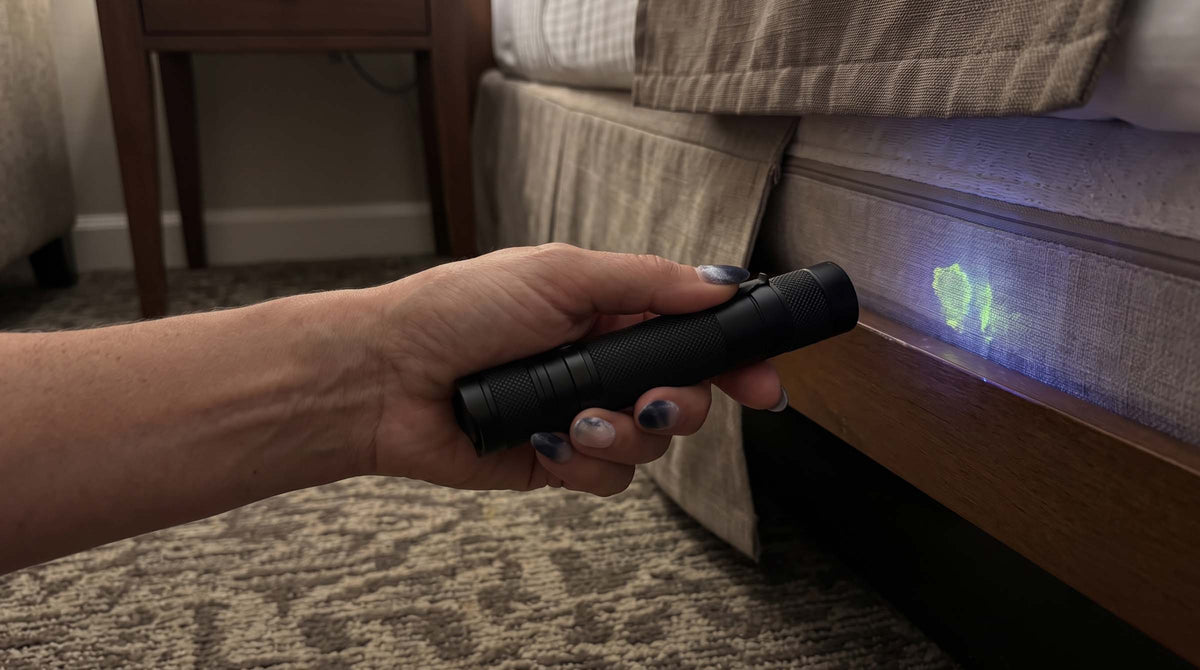
Best Compact 365nm UV Flashlight for Pet Stains, Hotel Rooms, and Home Inspection
Compact doesn’t have to mean useless. Here’s what actually makes a small 365nm UV light good for pet stains, hotel checks, and home inspection — and why the Scout 365nm is built for exactly this.
Read more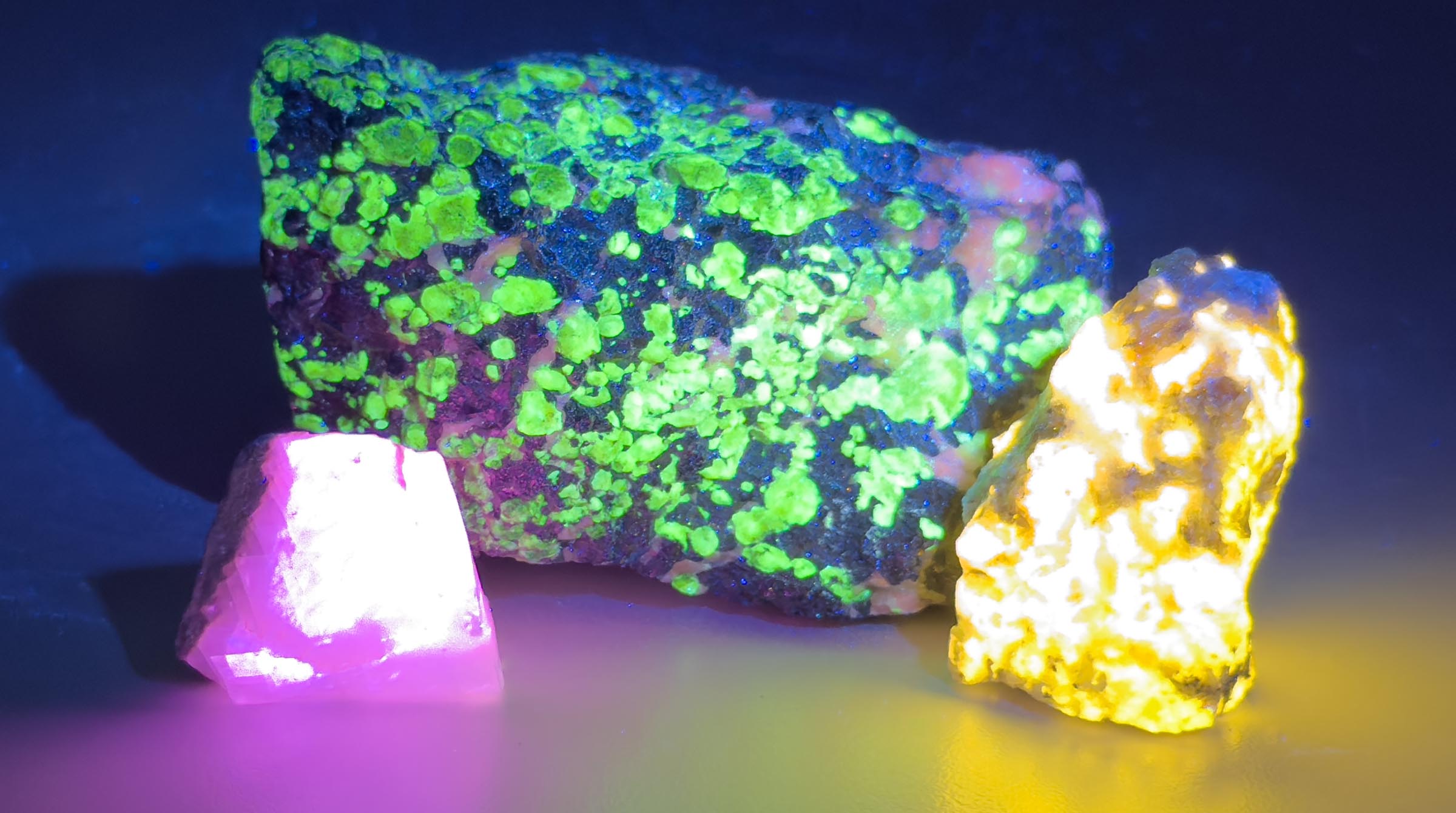
Best UV Flashlight for Fluorescent Minerals: What Actually Matters
The brightest-looking blacklight is almost never the best mineral light. Here’s what actually matters — wavelength, filtering, contrast, and the shortwave caveat nobody mentions.
Read more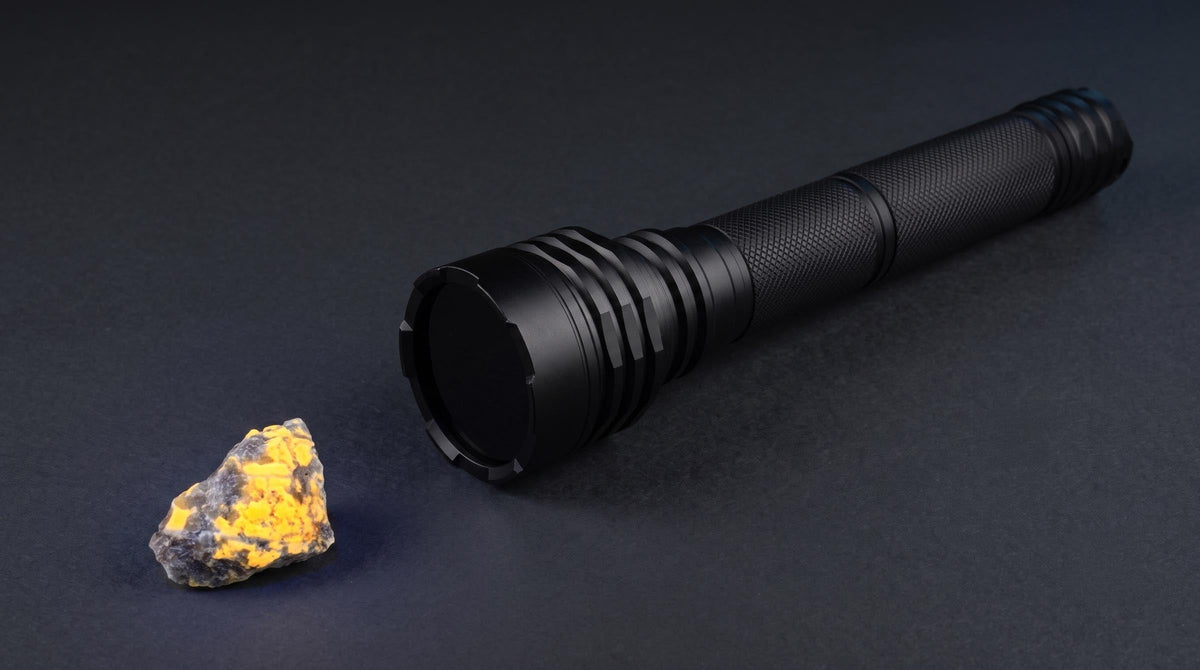
Best UV Flashlight for Yooperlites: What Actually Matters
In daylight a Yooperlite looks like a boring gray rock. Under UV it lights up in glowing veins. Here’s how to pick a light that makes it jump out while you’re actually searching a dark beach.
Read more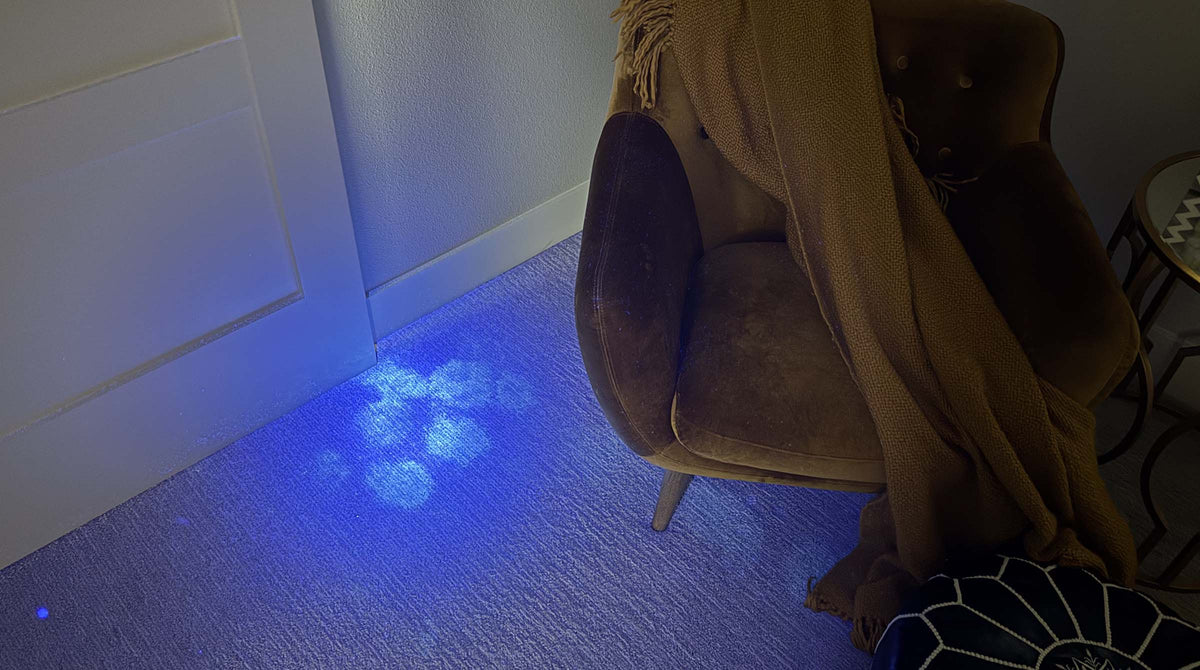
Best UV Flashlight for Pet Stain Detection: Dogs and Cats
Pet stain detection is where UV marketing overpromises fastest. Here’s what a 365nm light really shows on dog and cat urine, how to use it, and why the Scout 365nm is the right-sized tool.
Read more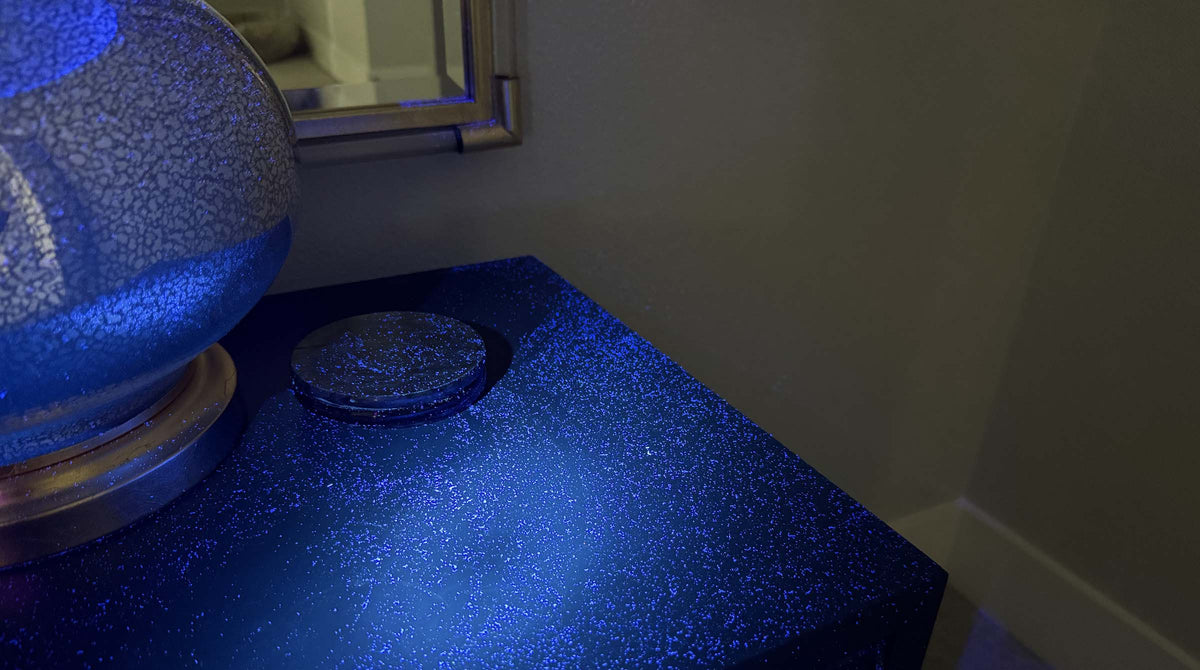
The Scout 365: Who It’s For and Who It Isn’t
The Scout 365nm isn’t the cheap one or the beginner one. It’s the close-range one. Here’s who it’s built for — pet owners, travelers, inspectors, collectors — and where a bigger light takes over.
Read more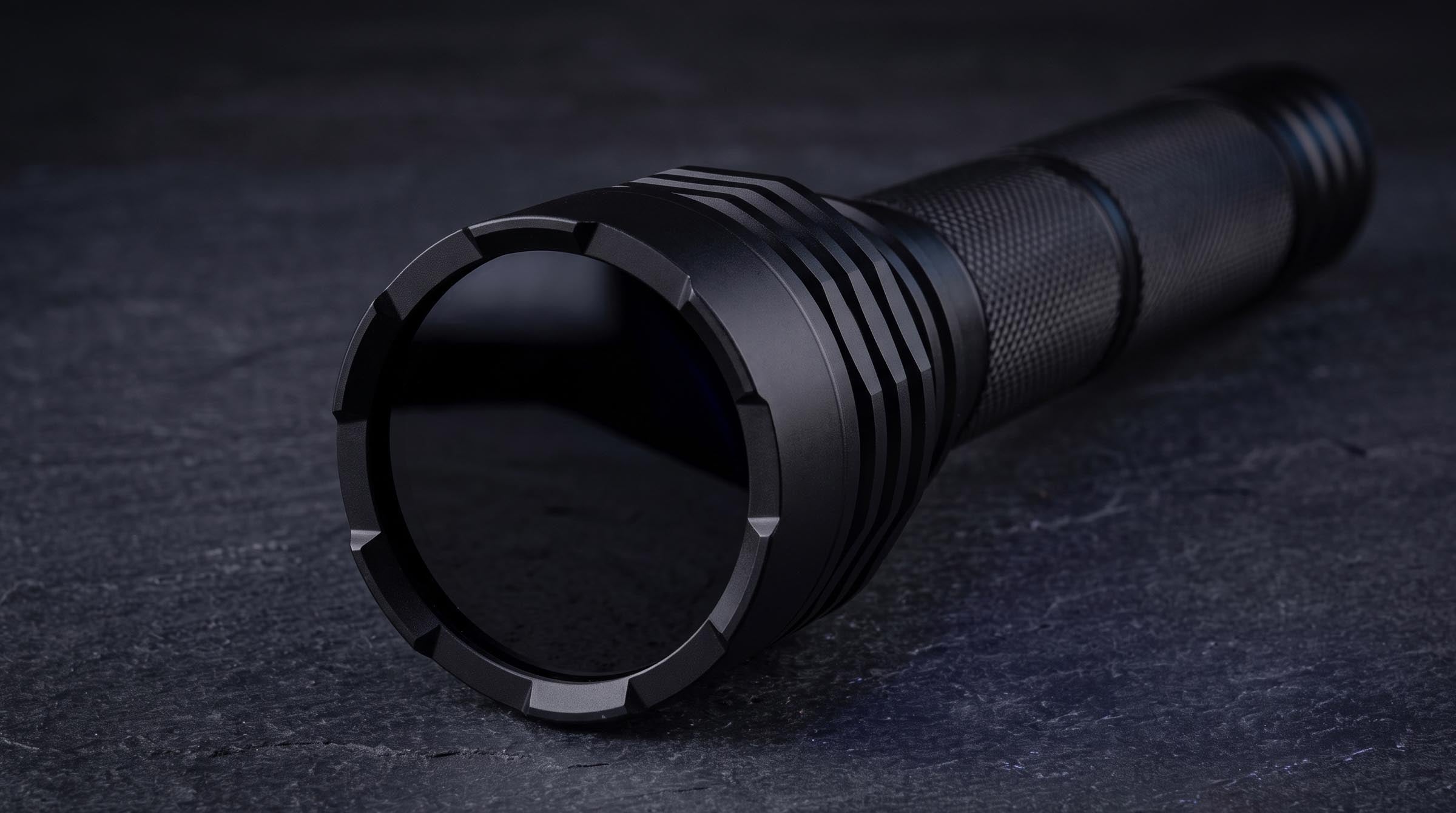
What Is a ZWB2 Filter in a 365nm UV Flashlight?
It’s the spec most buyers scroll past — and the one piece of glass that changes how a 365nm light inspects. Here’s what a ZWB2 filter actually does, and what it doesn’t.
Read more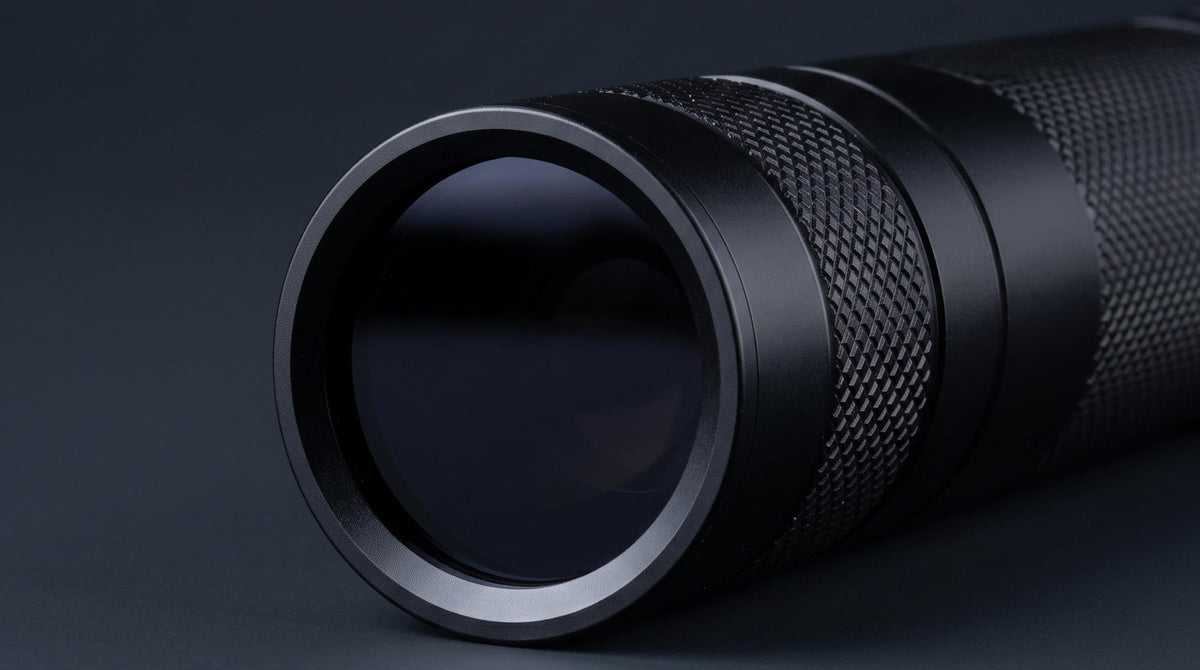
Filtered vs. Unfiltered 365nm UV Flashlights: Why the Filter Matters
Yes, a 365nm light can still look purple. The difference is filtering. Here’s why visible spill wrecks contrast, what a filter actually does, and why “filtered” doesn’t mean “stronger.”
Read more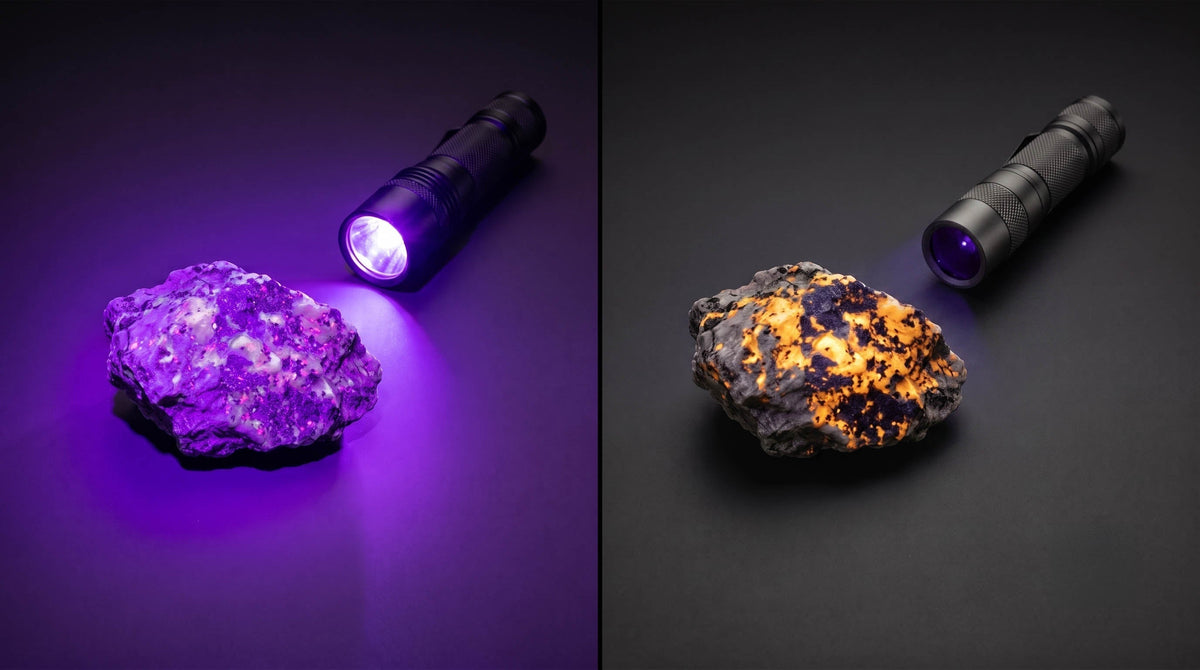
Why More Purple Light Does Not Mean More UV Power
Big purple glow, must be powerful — it’s the wrong test, and the whole UV market runs on people making it. Here’s why the beam isn’t the evidence, and what actually is.
Read more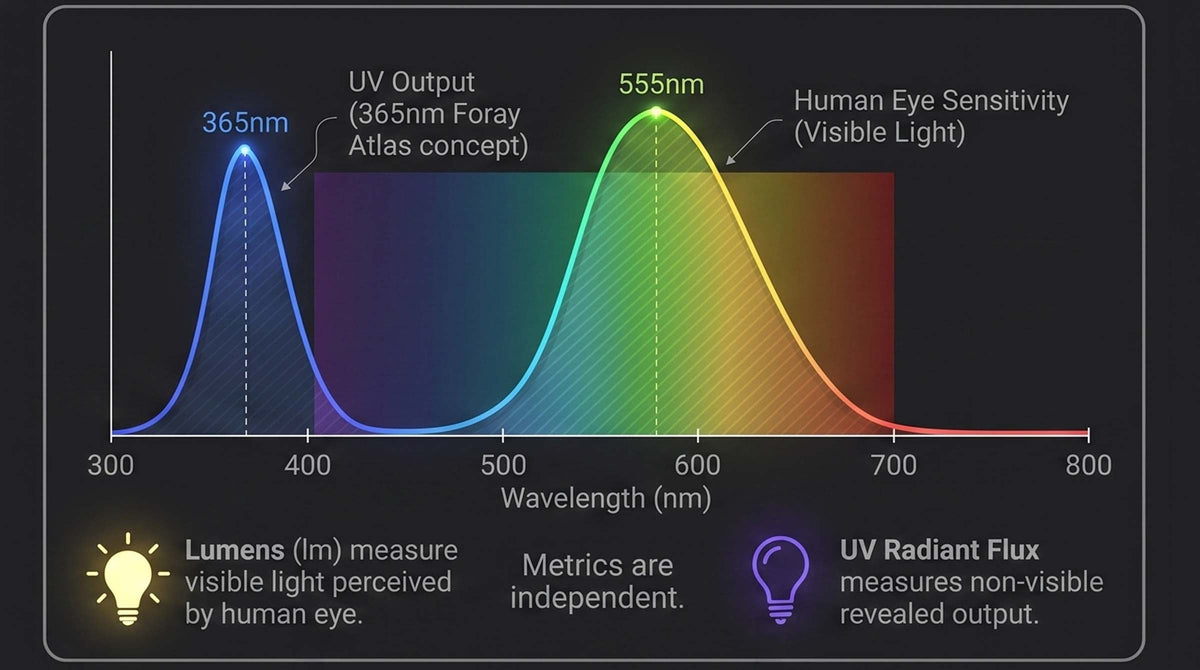
Why Lumens Do Not Measure UV Flashlight Performance
Grading a UV flashlight by lumens is like judging a stereo by how heavy it is — a number from the wrong category. Here’s what lumens actually measure, and what to look at instead.
Read more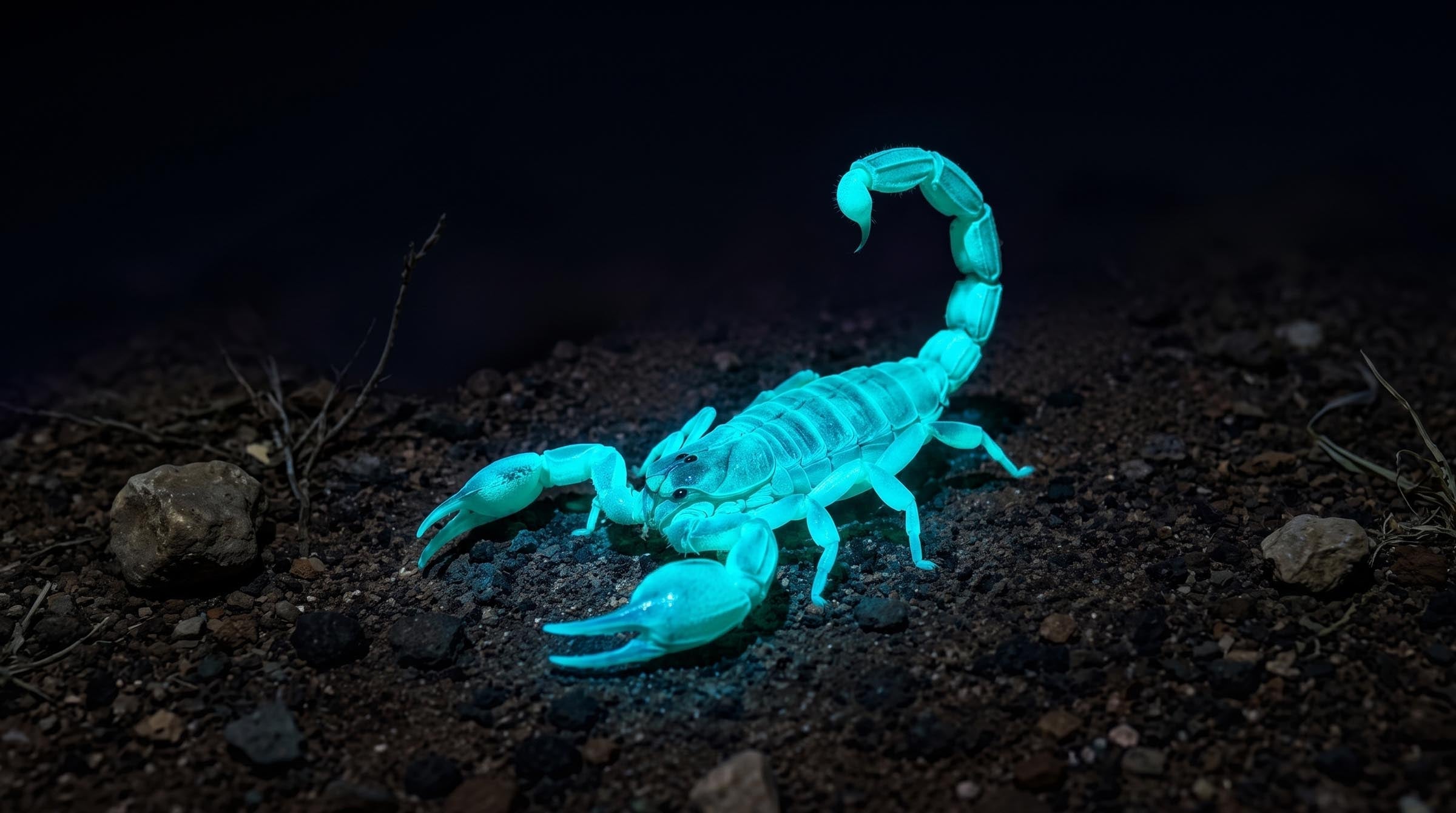
Best UV Flashlight for Scorpion Hunting: What Actually Matters
Under UV, scorpions light up like tiny glowing aliens. Here’s how to pick a light that makes them pop without turning the yard into a rave — and why a clean scan is not a safety certificate.
Read more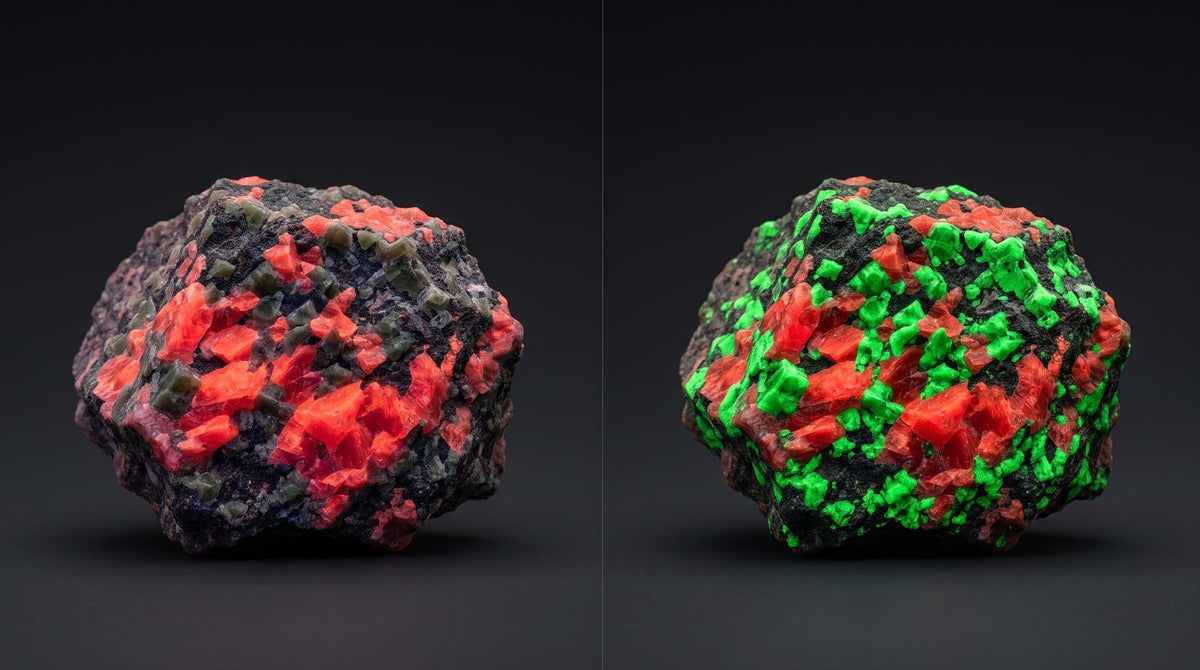
Longwave vs Shortwave UV for Fluorescent Minerals: What Buyers Should Know
365nm longwave UV is not universal. Some minerals love it; many classic ones need shortwave. Here’s the difference, and why the smart move starts with the material, not the flashlight.
Read more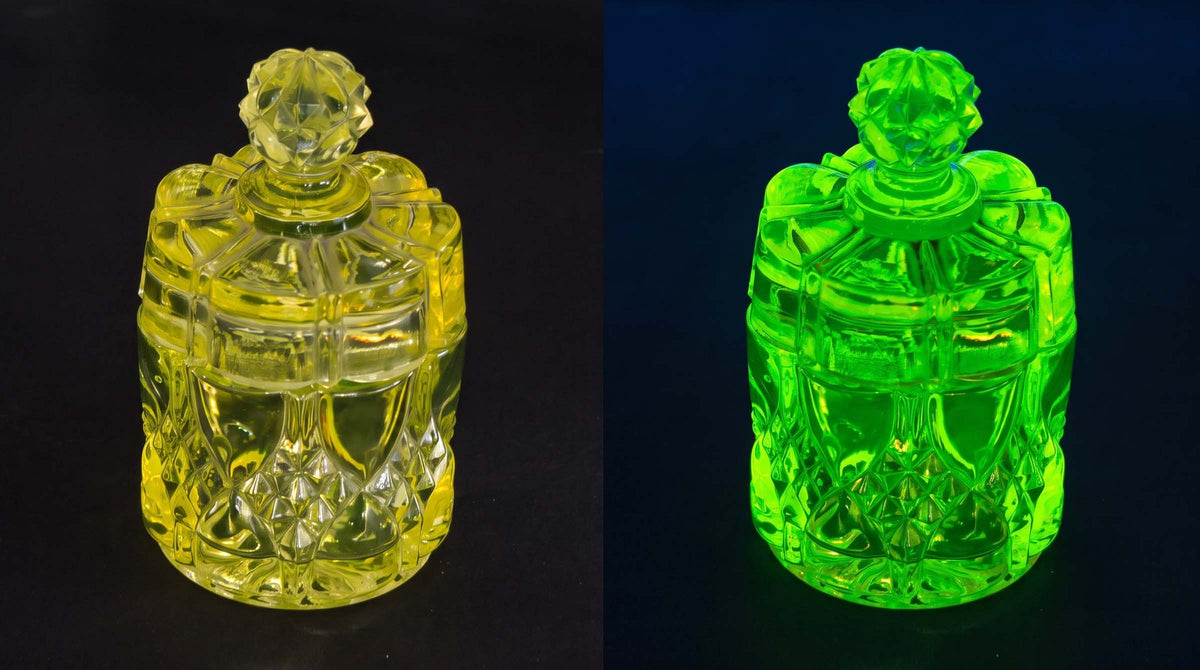
Best UV Flashlight for Uranium Glass: 365nm vs. 395nm
Both wavelengths make uranium glass glow — but filtered 365nm gives the cleaner read in a cluttered antique booth. Here’s the difference, and what the glow can and can’t prove.
Read more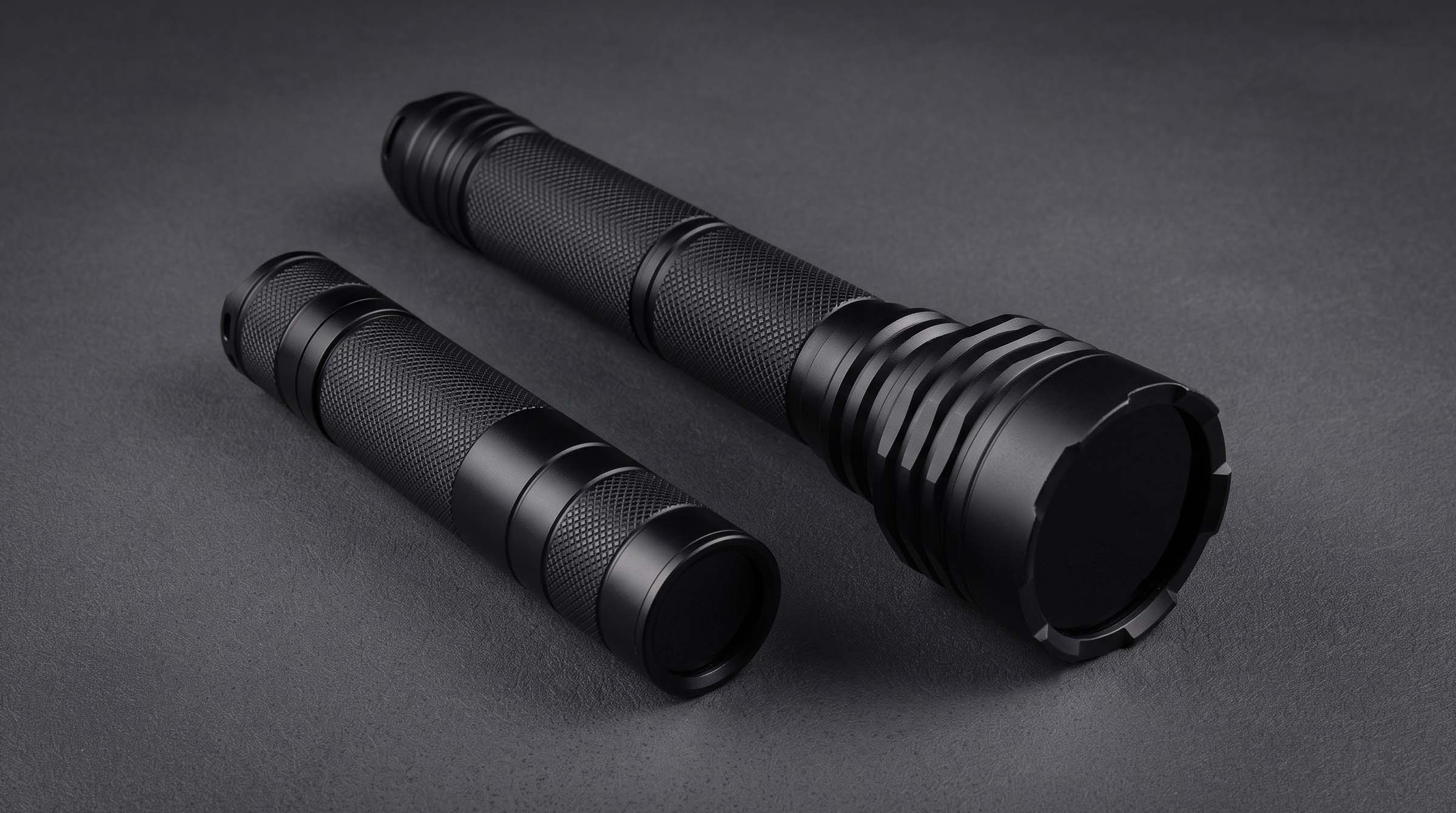
Compact vs. Full-Size UV Flashlights: Which One Should You Buy?
Small doesn’t mean weak and big doesn’t mean serious. Here’s how to pick between a compact and a full-size UV flashlight without shopping by size — and getting it wrong.
Read more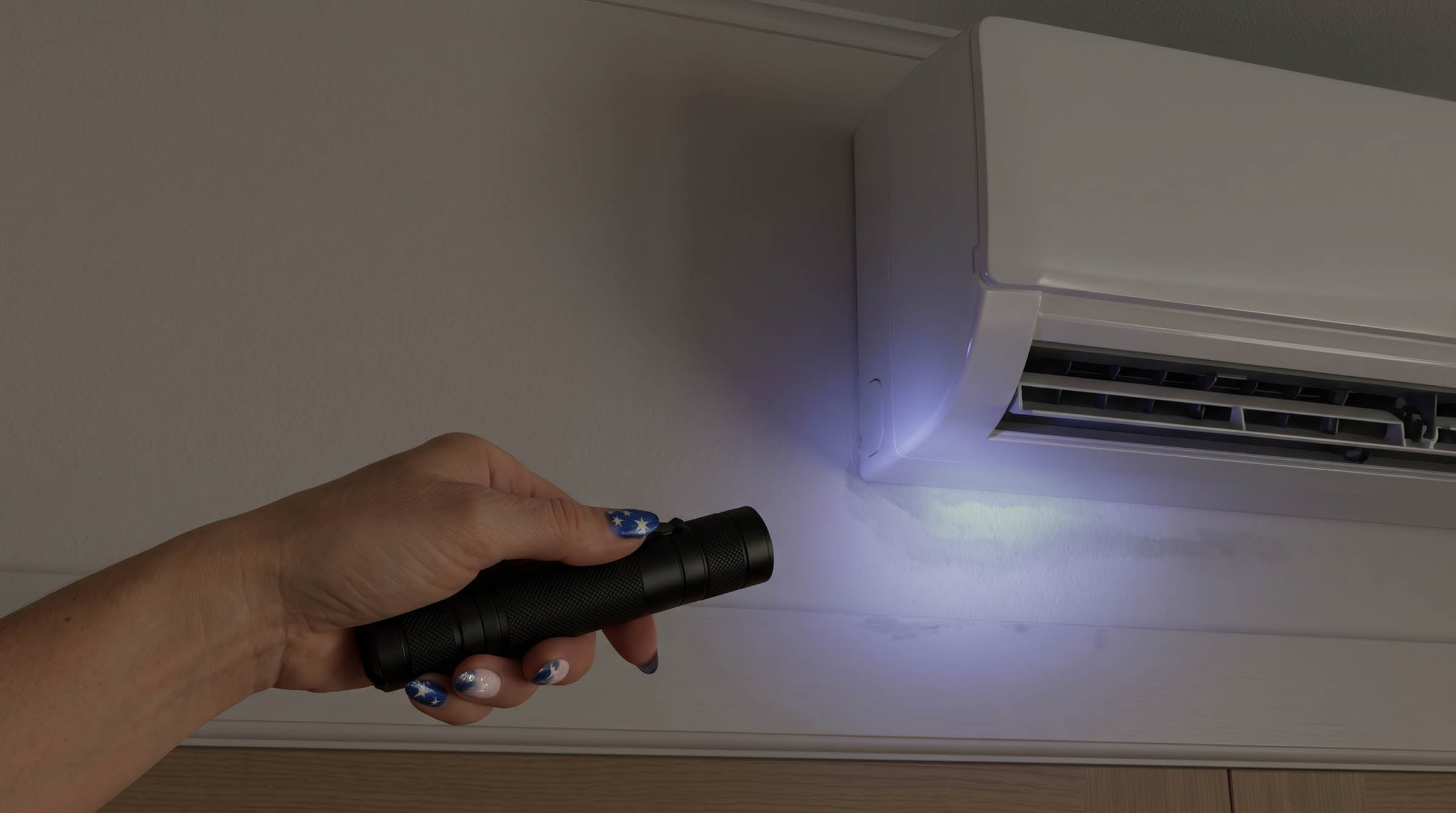
Can a UV Flashlight Detect Mold? What Buyers Should Know
A UV flashlight cannot identify mold. It can reveal surface reactions and stains worth investigating, but moisture history, visible conditions, odor, and qualified evaluation determine what happens...
Read more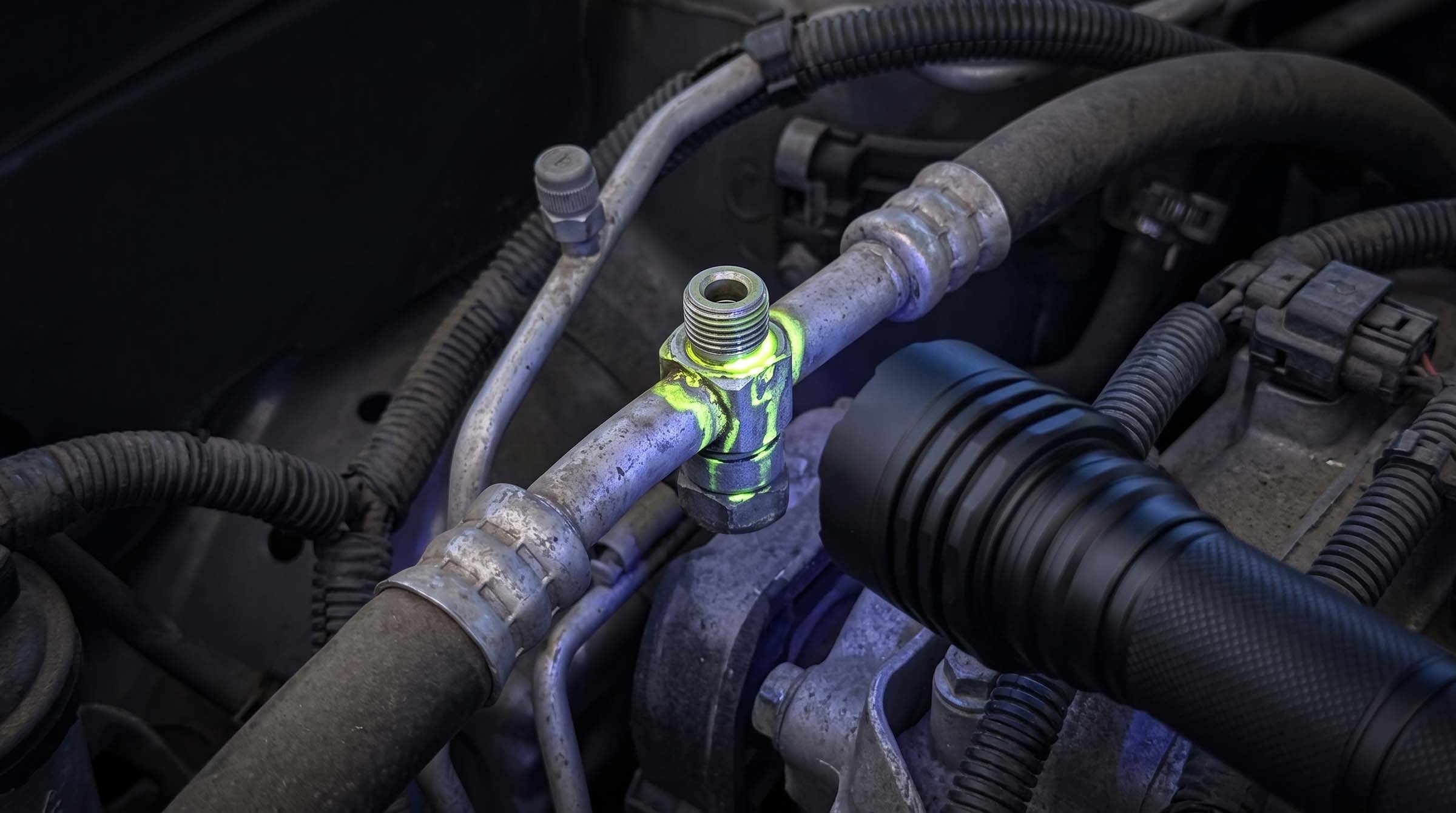
UV Flashlight for Leak Detection Dye: What to Look For
Leak dye is the one UV job that isn’t guesswork. Here’s how a 365nm light reveals a fluorescent trace, why filtering matters on cluttered mechanical surfaces, and where the flashlight’s job ends.
Read more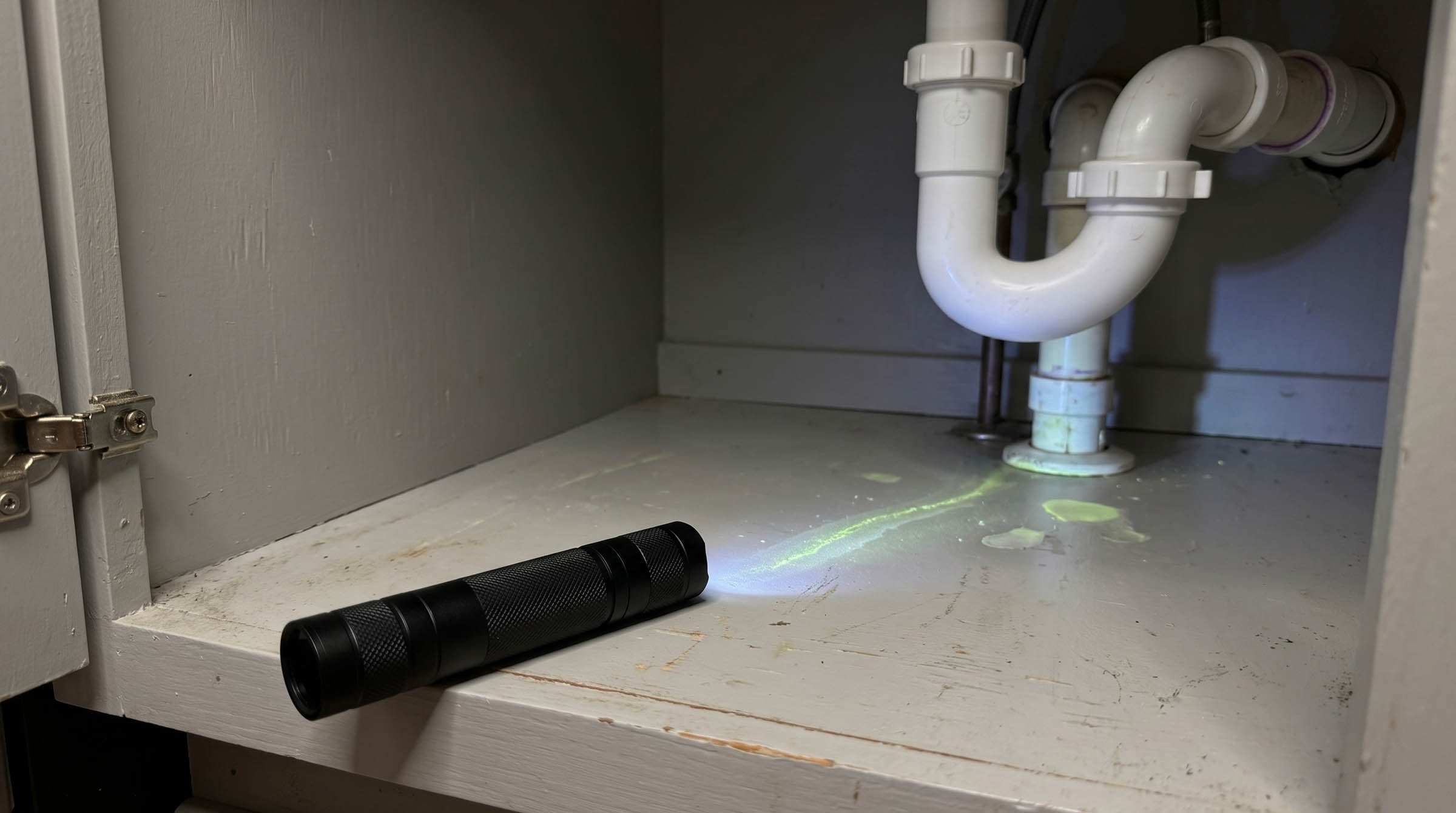
UV Flashlight for Home Inspection: What Buyers Should Know
A house can pass the eyeball test and still nag at you. Here’s how a UV flashlight helps during a walkthrough — what it surfaces, what it can’t prove, and why it finds clues, not conclusions.
Read more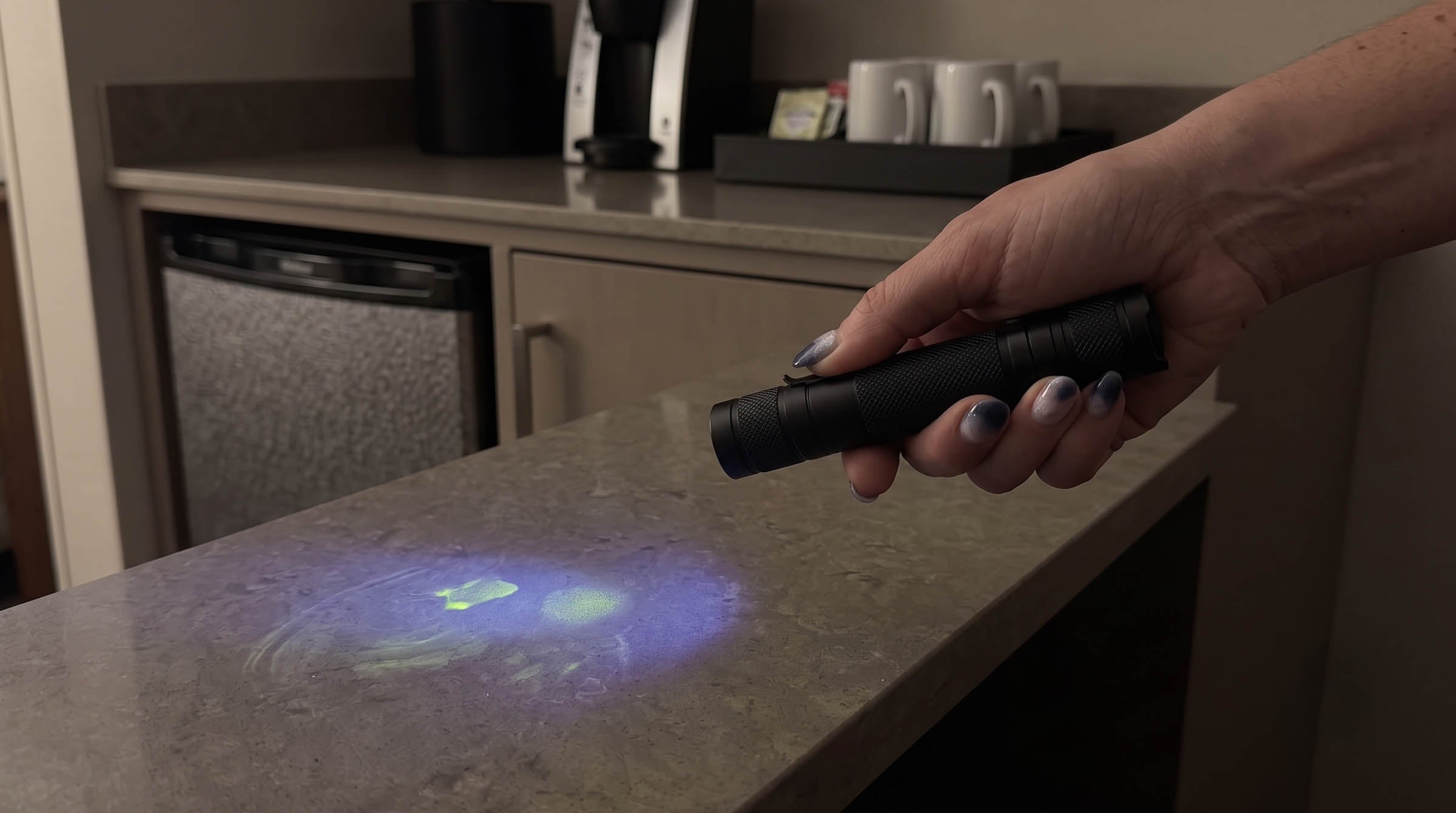
UV Flashlight for Hotel Room Inspection: What It Can and Cannot Show
Flip on a UV light in a dark hotel room and it gets dramatic fast. A glow is not a crime scene, though. Here’s what a 365nm light really shows on bedding and carpet — and how to read it without los...
Read more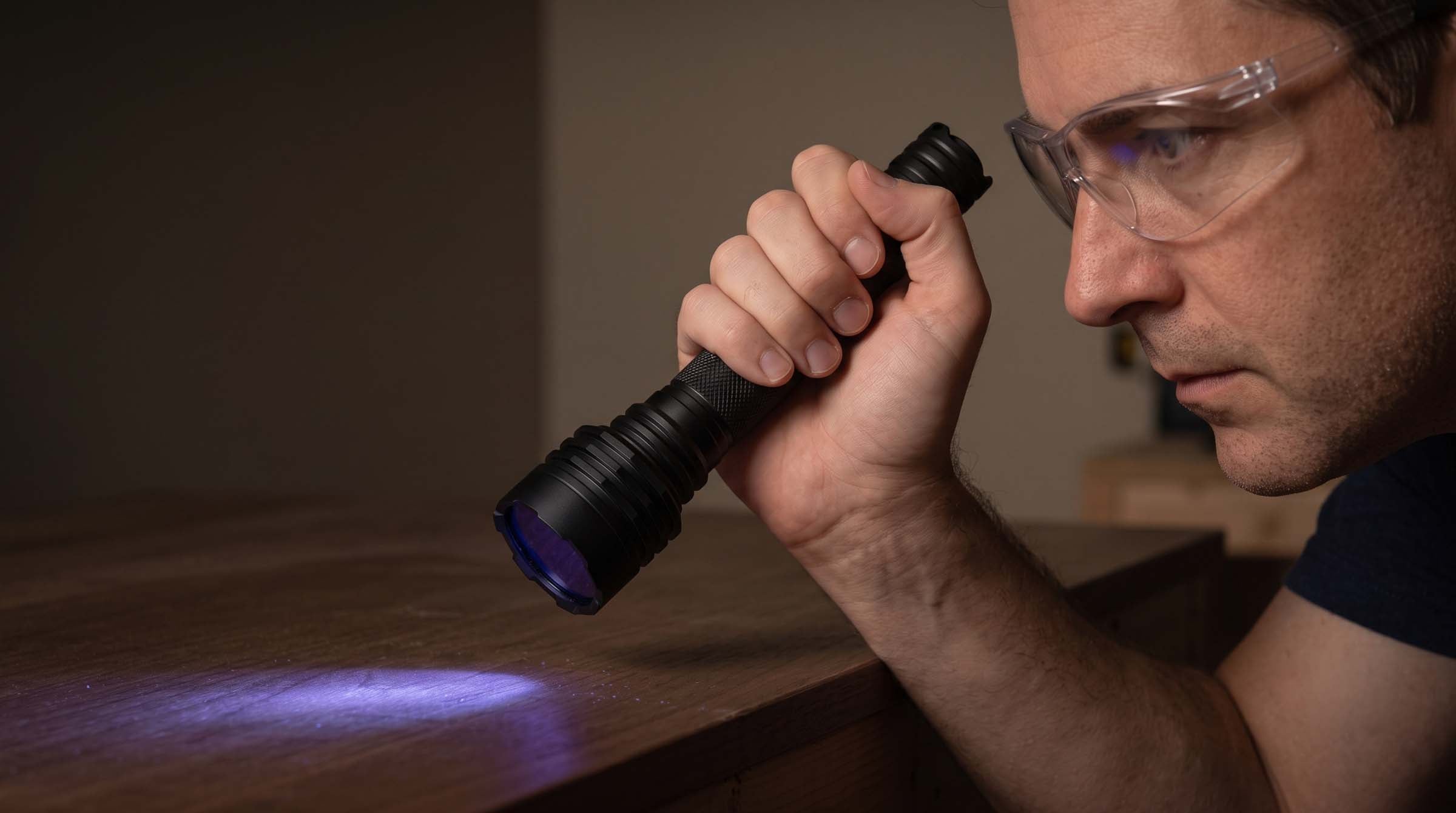
Are 365nm UV Flashlights Safe? What Buyers Should Know
A 365nm flashlight emits UVA radiation. Treat it as an inspection tool: avoid direct eye exposure, minimize unnecessary skin exposure, control reflections, and use appropriate UV protection for rep...
Read more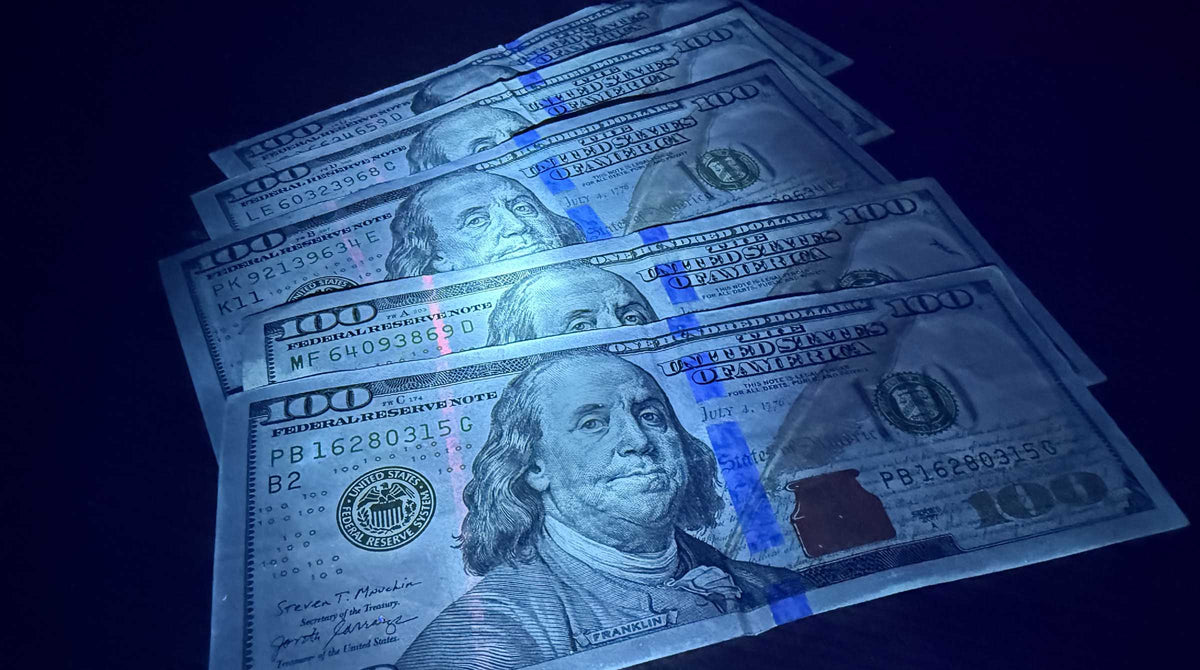
UV Flashlight for Currency and ID Checks: What It Can and Cannot Show
Some currencies and IDs carry UV-reactive security features, and a good 365nm light makes them easier to see. What it does not do is authenticate anything — and that line is the whole point.
Read more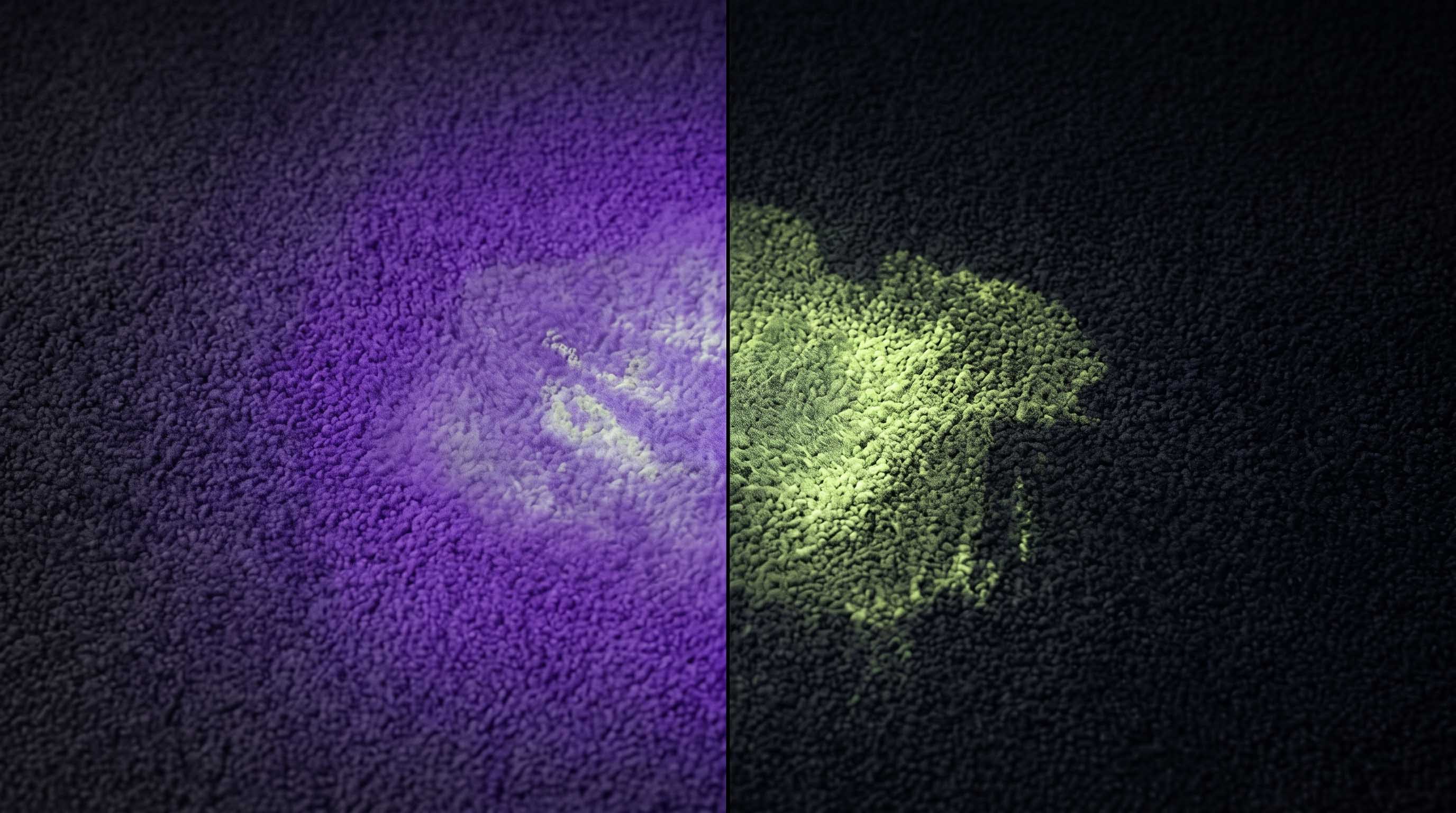
365nm vs 395nm UV Flashlights: What’s the Difference?
Choosing between a 365nm and 395nm UV flashlight starts with the target, not the purple beam. Here is how wavelength, visible spill, filtering, and use case change what you can actually see.
Read more